
Resonance, Archetypes, and the Identity Shift of Motherhood
Human beings exist in a constant state of resonance with their environment. Our nervous systems continuously respond to the emotional tone of the people around us, the cultural narratives we live within, and the subtle cues that shape our perception of reality. Yet our resonance extends far beyond immediate surroundings. We are also in relationship with deeper structures within ourselves—our DNA, ancestral memory, personality patterns, and the archetypal themes that shape human experience.
In many ways, identity functions like a tuning mechanism. The sense of “who we are” determines which patterns of information we resonate with most strongly. A small shift in identity can therefore change the field of experiences we are able to access. This idea helps explain why people sometimes report accessing memories that feel like past lives, alternate versions of themselves, or deeply symbolic imagery during moments of introspection. Rather than interpreting these experiences literally, they can be understood as encounters with adjacent identity patterns—versions of the self that exist in close psychological or archetypal proximity.
The imagination plays a crucial role in this process. The imaginal realm is often misunderstood as something unreal or trivial. In reality, imagination is the stage of experience that precedes physical manifestation. Every idea, emotion, and behavioral pattern begins as a configuration of meaning before it expresses itself in action and lived experience. In this sense, the imaginal realm can be seen as the blueprint layer of reality—a domain where identity and narrative organize the direction of our lives.
When identity changes significantly, the resonance patterns we participate in also change. One of the most powerful examples of this shift occurs during the transition into parenthood, particularly motherhood.
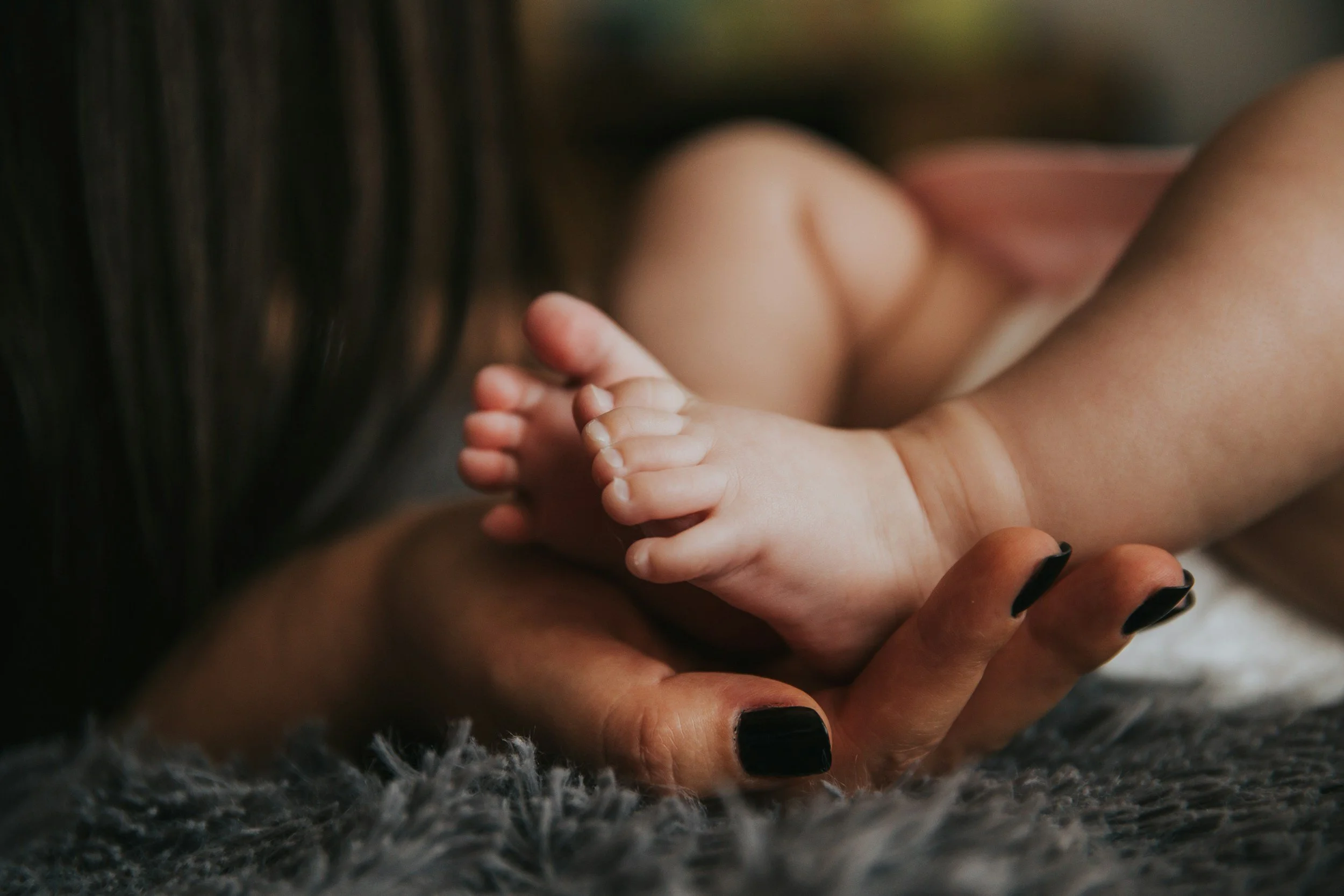
When a woman becomes a mother, she does not simply add a new role to her life. She enters resonance with a powerful archetypal structure that has existed throughout human history: the archetype of the Mother. Archetypes are universal patterns of meaning that shape human behavior and perception. They appear in mythology, culture, and psychology because they reflect recurring themes in human experience.
Through motherhood, an individual begins resonating with multiple archetypal layers simultaneously. She becomes attuned to her child as a unique person, but also to the archetypal Child—the universal pattern representing vulnerability, growth, dependency, and potential. At the same time, the archetypal Mother emerges as a guiding template, carrying cultural expectations, ancestral memories, and biological instincts about nurturing and protection.
These archetypal resonances do not occur in isolation. They often activate corresponding patterns within the psyche. One of the most common effects is the reactivation of a person’s own inner child. In order to understand and respond to the needs of a child, a parent must access empathy—the ability to internally simulate another person’s emotional state. To empathize with a child’s experience, many parents unconsciously reconnect with memories of their own childhood.
As a result, old emotional material may resurface. Experiences that seemed resolved—or forgotten—can reappear when a child reaches developmental stages that mirror the parent’s own past. A mother may suddenly find herself revisiting feelings from early life when her child begins school, expresses fear, seeks independence, or encounters frustration. This process is not accidental. It reflects the deep resonance between identity, memory, and archetypal roles.
In addition to personal memories, ancestral patterns may also emerge. Parenting can activate inherited beliefs and emotional responses passed down through generations. Cultural expectations surrounding motherhood further intensify this dynamic, shaping how individuals interpret their experiences and evaluate their adequacy as parents.
Because so many layers of resonance are activated simultaneously—personal, archetypal, ancestral, and social—the transition into motherhood can feel overwhelming. Emotional turbulence, identity confusion, and periods of sadness or anxiety are often interpreted purely through a biological lens, commonly described as hormonal fluctuations or postpartum depression.
While biological changes certainly play an important role, they are only one part of a larger psychological transformation. The mind is processing a vast amount of unconscious information as the individual reorganizes their identity around a new archetypal role.
Modern medicine often responds to this distress through pharmacological treatment, which can sometimes be helpful in reducing the intensity of symptoms. However, medication may also reduce awareness of the deeper psychological processes occurring beneath the surface. When emotional material is numbed or suppressed, the underlying information may remain unresolved in the unconscious.
An alternative approach involves consciously engaging with the material that emerges during this transition. When individuals are supported in exploring their experiences with curiosity and compassion, the challenges of early parenthood can become opportunities for profound psychological growth.
Several practices can assist in this process. Inner child work helps individuals reconnect with their own early experiences, allowing them to respond to both themselves and their children with greater empathy. Ancestral exploration can illuminate inherited patterns that shape parenting styles and emotional reactions. Archetypal awareness can help parents recognize that their experiences are part of a larger human story rather than personal failures or inadequacies.
Perhaps most importantly, strong social support and guidance are essential during this period. Parenting was historically embedded within extended communities where individuals shared knowledge, emotional labor, and practical assistance. In modern societies, many parents navigate this transformation in relative isolation, making the process far more difficult.
Becoming a parent is therefore not merely a biological event. It is a profound shift in identity that activates multiple layers of resonance within the human psyche. Personal history, cultural narratives, ancestral patterns, and archetypal themes all converge during this transition.
Understanding this process allows individuals to approach the experience with greater compassion for themselves. Rather than interpreting emotional upheaval as weakness or dysfunction, it can be seen as evidence of deep psychological reorganization.
Every major identity shift requires the integration of new information. Motherhood is one of the most significant transformations a person can undergo, and it naturally brings previously unconscious material into awareness.
When this process is supported with understanding, reflection, and community, it becomes not only a challenge but also an opportunity for healing and growth. The emerging self—the new identity forming through the experience of motherhood—deserves patience, support, and grace.
